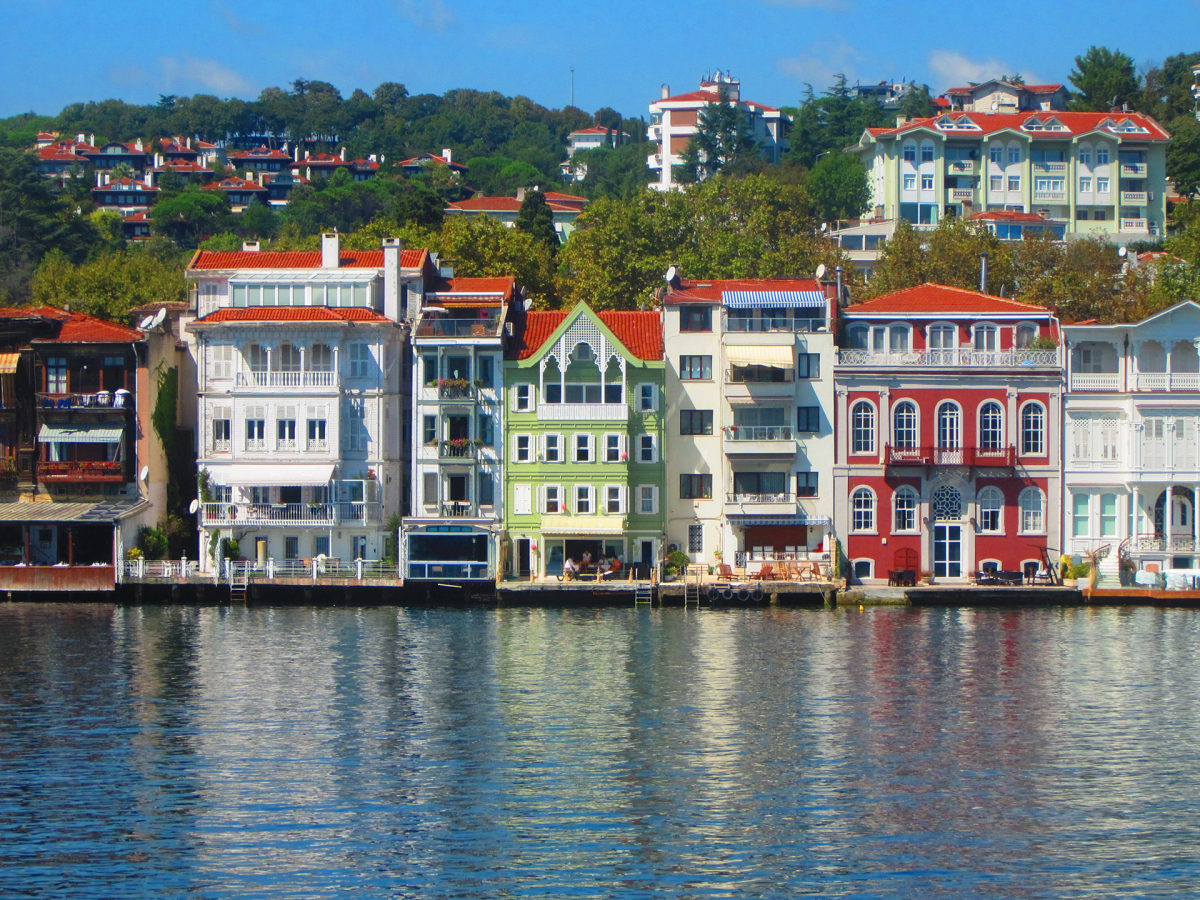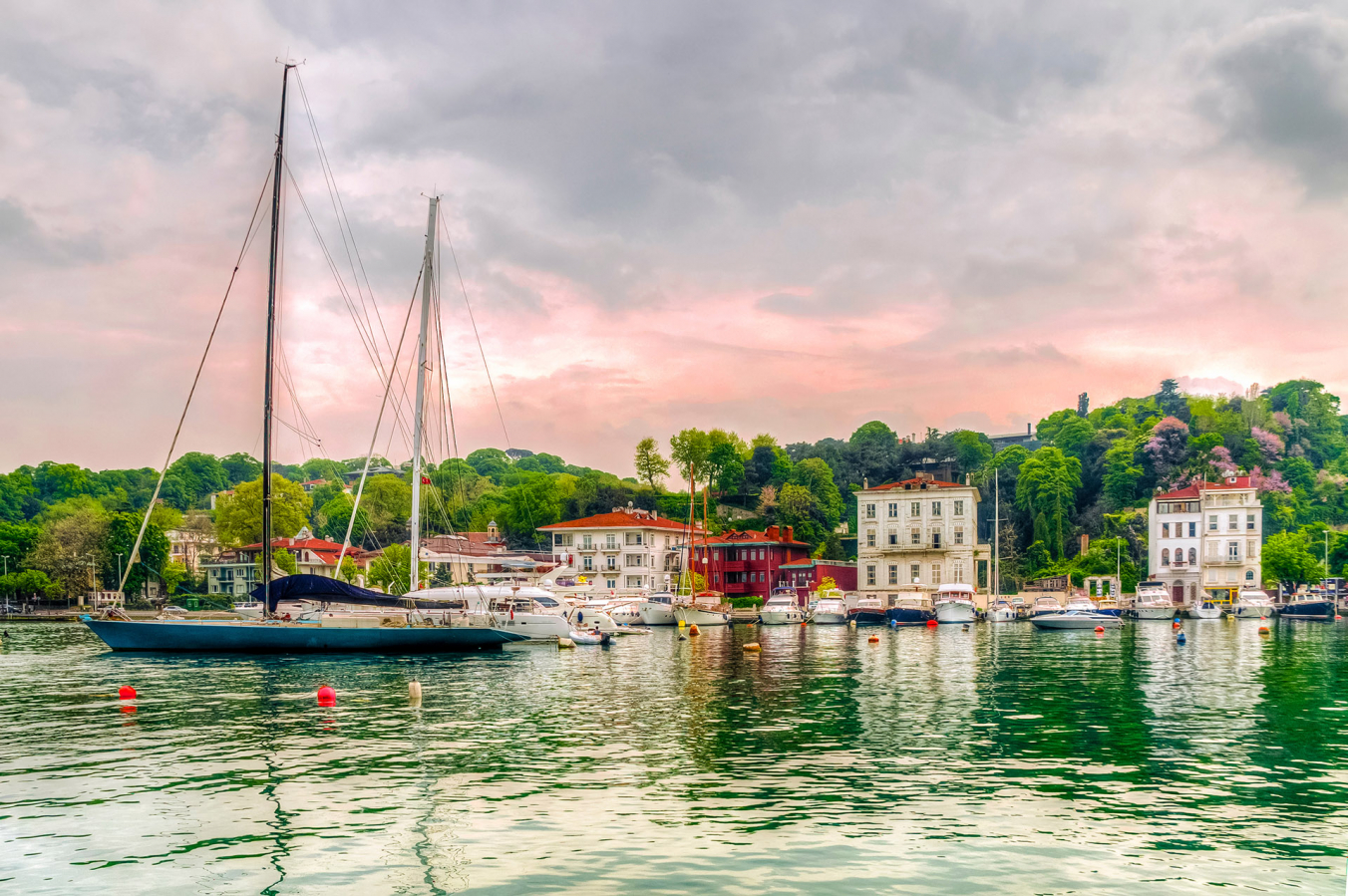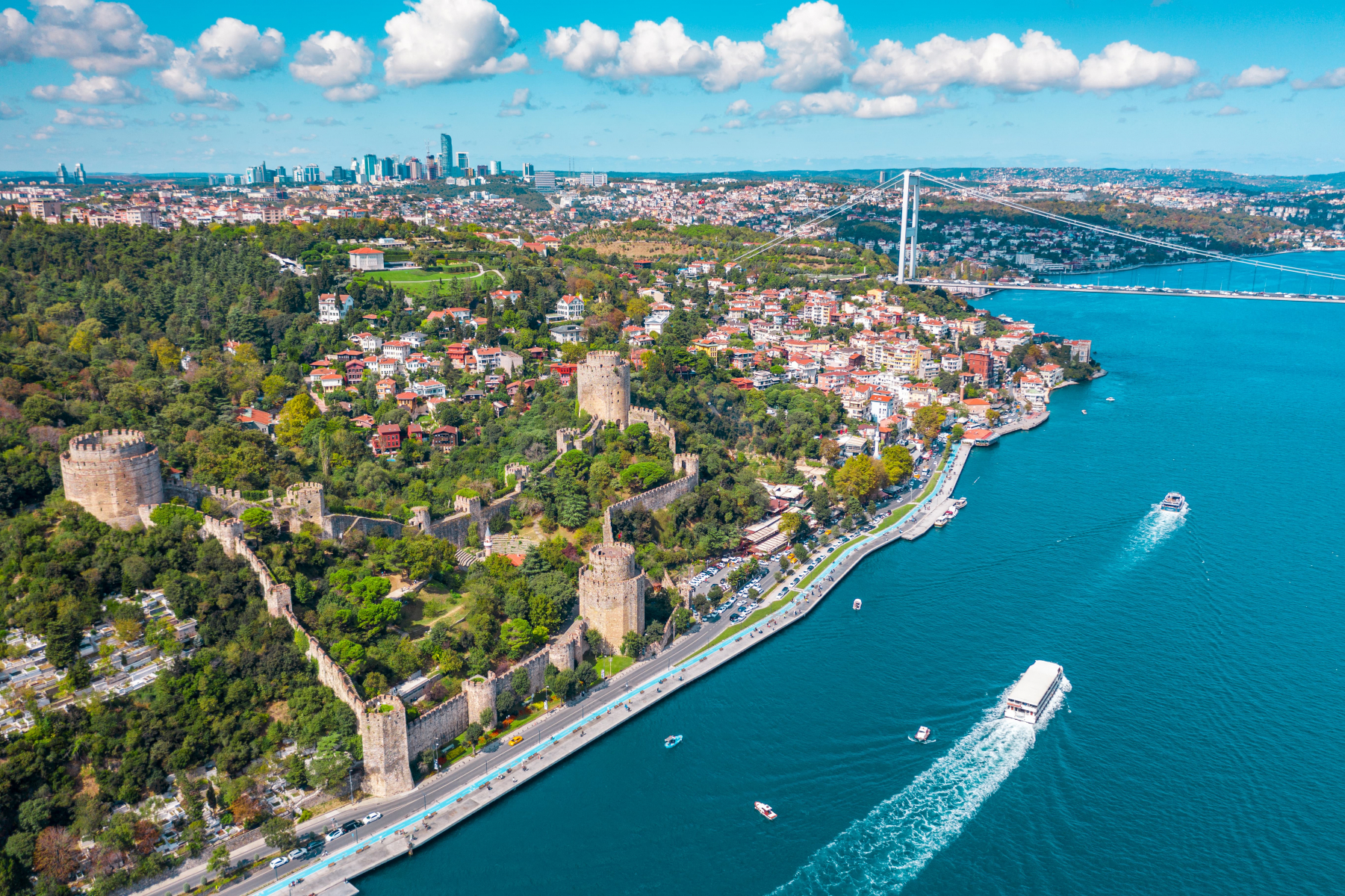

Approximately 620 waterfront mansions (yalı) are reported to have been built along the Bosphorus between the 18th and 20th centuries. These structures represent the most distinctive examples of Istanbul’s waterfront residential culture. Some have survived in their original form, while others have been restored and preserved to the present day. For this reason, Bosphorus mansions are not merely architectural buildings; they are carriers of Istanbul’s historical, social, and cultural memory.
The fundamental reason these mansions hold such extraordinary value lies in their locations along the Bosphorus and their direct proximity to the water. The concept of the yalı stems from an architectural tradition that physically touches the sea and lies directly on the shoreline, representing a unique lifestyle defined by luxury, prestige, and panoramic views. Their high value on both a global and local scale is associated with their prices, architectural significance, media visibility, and frequent appearances on lists of “the world’s most expensive homes.” At the same time, these mansions stand among the strongest symbols of Istanbul’s cultural identity, shaped over centuries.
The list below has been compiled by considering architectural characteristics, historical significance, locational advantages, and public recognition.

Zeki Paşa Waterfront Mansions (Rumelihisarı / Bosphorus
Built in the late 19th century for a high-ranking Ottoman military officer, Zeki Paşa Waterfront Mansion has long been described by experts and the real-estate market as “the most valuable private property in Türkiye.” It is one of the rare examples along the Bosphorus constructed entirely with stone. The mansion reportedly consists of five floors, twenty-three rooms, five salons and eight bathrooms. Each floor features high ceilings and a façade facing the Bosphorus, adding a palatial sense of grandeur to the structure.
Reintroduced to the market in 2025, the mansion once again attracted national attention, with media reports suggesting that its annual property tax reaches millions of Turkish lira and that the asking price could amount to several billion TL. Through its location, architectural character and historical background, Zeki Paşa Waterfront Mansion remains one of the most iconic symbols of the Bosphorus.

Erbilgin Waterfront Mansion (Şehzade Burhaneddin Efendi Waterfront Mansion) – Yeniköy / Bosphorus
Recognized as one of the most luxurious residential properties along the Bosphorus, Erbilgin Mansion gained international visibility in 2015 when it was listed among “the world’s most expensive homes.” Dating back to the late Ottoman period, the mansion continues to stand as a symbol of luxury living and prestige, remaining firmly on the radar of the upper-income segment. Erbilgin Mansion embodies the perception of the Bosphorus as a glamorous, highly valuable and privileged residential landscape.

Esma Sultan Waterfront Mansion (Ortaköy / Bosphorus)
Built in 1875 by the renowned architect Sarkis Balyan, the Esma Sultan Waterfront Mansion was originally designed for the Ottoman elite. It is known to have been presented as a wedding gift to an Ottoman princess in 1889. Over time, the mansion’s fate shifted, and throughout the 20th century it moved away from its original residential function. Following a comprehensive restoration in 2001, it has since been operating as a cultural and event venue.
This transformation turned Esma Sultan into not only a historic waterfront mansion, but also a living icon of contemporary Istanbul’s social and cultural scene. Combining architectural elegance, its Bosphorus-front position, and its adaptive new function, the Esma Sultan Waterfront Mansion stands as one of the most striking structures on the Bosphorus.

Huber Waterfront Mansion (Tarabya / Bosphorus)
Dating back to the late 19th century and designed by a German architect, Huber Waterfront Mansion reflects the Western and European influences that shaped the final period of the Ottoman era. After passing through various owners for many decades, the property came under state ownership in 1985 and is currently used as an official residence.
Commanding a vast plot overlooking the Tarabya shoreline and positioned directly on the Bosphorus waterfront, Huber Waterfront Mansion pushes the limits of what could be imagined as a private residential estate, while simultaneously preserving a distinctive synthesis of historical and contemporary identity through its status as a state residence. In this respect, it holds a unique place among Bosphorus waterfront mansions.

Kıbrıslı Waterfront Mansion (Kandilli / Üsküdar)
Kıbrıslı Waterfront Mansion is one of the rare surviving examples of Ottoman civil architecture from the 18th century, reflecting the nostalgic spirit of the Bosphorus with its wooden structure and pastel-colored façades. Still in private ownership today, the mansion preserves its historical identity while offering a unique alternative for those seeking a true waterfront lifestyle on the Bosphorus.
Its aesthetic and historical value highlights a perception of “cultural heritage and lifestyle” that stands apart from the modern high-budget residential market.

Şehzade Burhaneddin Efendi Waterfront Mansion (Yeniköy / Bosphorus)
Constructed in the early 20th century for Prince Ahmed Burhaneddin Efendi, son of Sultan Abdulhamid II, the Şehzade Burhaneddin Efendi Waterfront Mansion is one of the largest and most magnificent waterfront mansions on the Bosphorus. Architecturally, its neo-Baroque and Empire influences, expansive massing and shoreline-spanning structure echo the palatial design language of the period.
Dominating the coastal silhouette of Yeniköy, the mansion’s extensive garden and direct waterfront façade distinctly set it apart from other Bosphorus residences. Frequently mentioned in international media among “the most expensive homes in the world,” it is regarded as one of the most prestigious examples of Bosphorus civil architecture due to its historical identity and architectural grandeur.

Said Halim Pasha Waterfront Mansion (Yeniköy / Bosphorus)
Constructed in the late 19th century and named after Ottoman Grand Vizier Said Halim Pasha, the Said Halim Pasha Waterfront Mansion is among the most distinguished structures on the Bosphorus. Reflecting the architectural language of its period, the mansion features neo-classical lines; its broad waterfront façade, high-ceilinged salons and pier opening directly to the Bosphorus exemplify the lifestyle of Ottoman aristocracy.
European influence is clearly visible in its architectural composition, with elaborate exterior ornamentation and a symmetrical plan that elevate the mansion’s aesthetic value. Due to its historical background and prestigious waterfront location, it is regarded as one of Istanbul’s most recognizable waterfront mansions. Following restoration, Said Halim Pasha Waterfront Mansion now functions as an event and reception venue, a layered use that positions the property not only as historic heritage but also as an active cultural site in contemporary Istanbul.

Ahmet Afif Pasha Waterfront Mansion (Yeniköy / Bosphorus)
Commissioned in the late 19th century by the distinguished Ottoman statesman Ahmet Afif Pasha, the Ahmet Afif Pasha Waterfront Mansion stands as one of the most architecturally striking properties along the Yeniköy shoreline. Reflecting the stylistic language of its period, the mansion combines Empire and neo-classical influences; its broad waterfront façade, tall windows, symmetrical plan and European-inspired exterior ornamentation make it a quintessential example of elegant Bosphorus residential architecture.
Its direct waterfront position and distinctive façade place the mansion prominently on “must-see Bosphorus waterfront mansions” lists. Having largely preserved its historical and architectural integrity, the Ahmet Afif Pasha Waterfront Mansion represents an important component of the Bosphorus cultural heritage.

Yılanlı Waterfront Mansion (Bebek / Bosphorus)
Built in the late 18th century and regarded as one of the earliest surviving examples of Ottoman civil architecture, the Yılanlı Waterfront Mansion is a characteristic structure of the Bebek shoreline. Its name is known to derive from the snake-shaped relief on the entrance façade—an iconic detail that visually distinguishes the mansion from other waterfront residences along the Bosphorus.
With its wooden structure, two-storey traditional layout, projecting façades and direct waterfront position, the Yılanlı Waterfront Mansion preserves and conveys the historical fabric of the Bosphorus into the present day. Frequently referenced in historical documents and visual archives, the mansion represents more than two centuries of Istanbul’s waterfront residential tradition. Still prominent on the coastal silhouette of Bebek, it stands as one of the most nostalgic and architecturally meaningful structures on the Bosphorus.

Recaizade Mahmut Ekrem Waterfront Mansion (İstinye / Bosphorus)
Located on Köybaşı Street overlooking the İstinye Bay, the Recaizade Mahmut Ekrem Waterfront Mansion was originally commissioned by Monsieur Pigeon, the master foreman of the Beykoz Glass Factory, and later expanded with additional sections after being purchased by Recaizade Mahmut Ekrem. Composed of a traditional wooden tripartite layout—selamlık, harem and service quarters—the mansion became a gathering point for the literary circles of the late 19th century, hosting prominent figures such as Cenap Şehabettin, Tevfik Fikret and Halit Ziya.
It is known that Mahmut Ekrem wrote some of his works in this waterfront mansion. The property was officially registered as a historic building in 1971 and subsequently passed through the ownership of different families.

Edib Efendi Waterfront Mansion (Vaniköy / Bosphorus)
Standing as one of the largest waterfront mansions on the Bosphorus and featuring one of the longest façades in its district (39 meters), the Edib Efendi Waterfront Mansion takes its name from Edib İbrahim Efendi, who served as Minister of Finance and held notable posts such as Defter-i Hakani in the Ottoman Empire.
Built in the early 19th century in the traditional Bosphorus mansion style and consisting of two main sections, one of its most remarkable features is its survival of the great fire that destroyed most mansions in the area: the harem section is located in Vaniköy, while the selamlık section stands in Kandilli. Today, the mansion still rises in full grandeur at Akıntıburnu on the Anatolian side.
Due to the powerful currents at this point of the Bosphorus, an open space was left in front of the mansion known as the “Yedekçi” area. In the Ottoman era, yedekçiler would tow boats and small vessels that could not overcome the currents, pulling them by rope in exchange for payment.
At Space Istanbul, we closely follow the Bosphorus sahilhane tradition, waterfront mansion architecture and the historical coastal fabric of the strait. With a team specialized in true waterfront properties, we offer professional consultancy for all your needs along the Bosphorus.
If you are seeking accurate real-estate insight, architectural expertise and a genuine waterfront lifestyle on the Bosphorus, you can contact us.