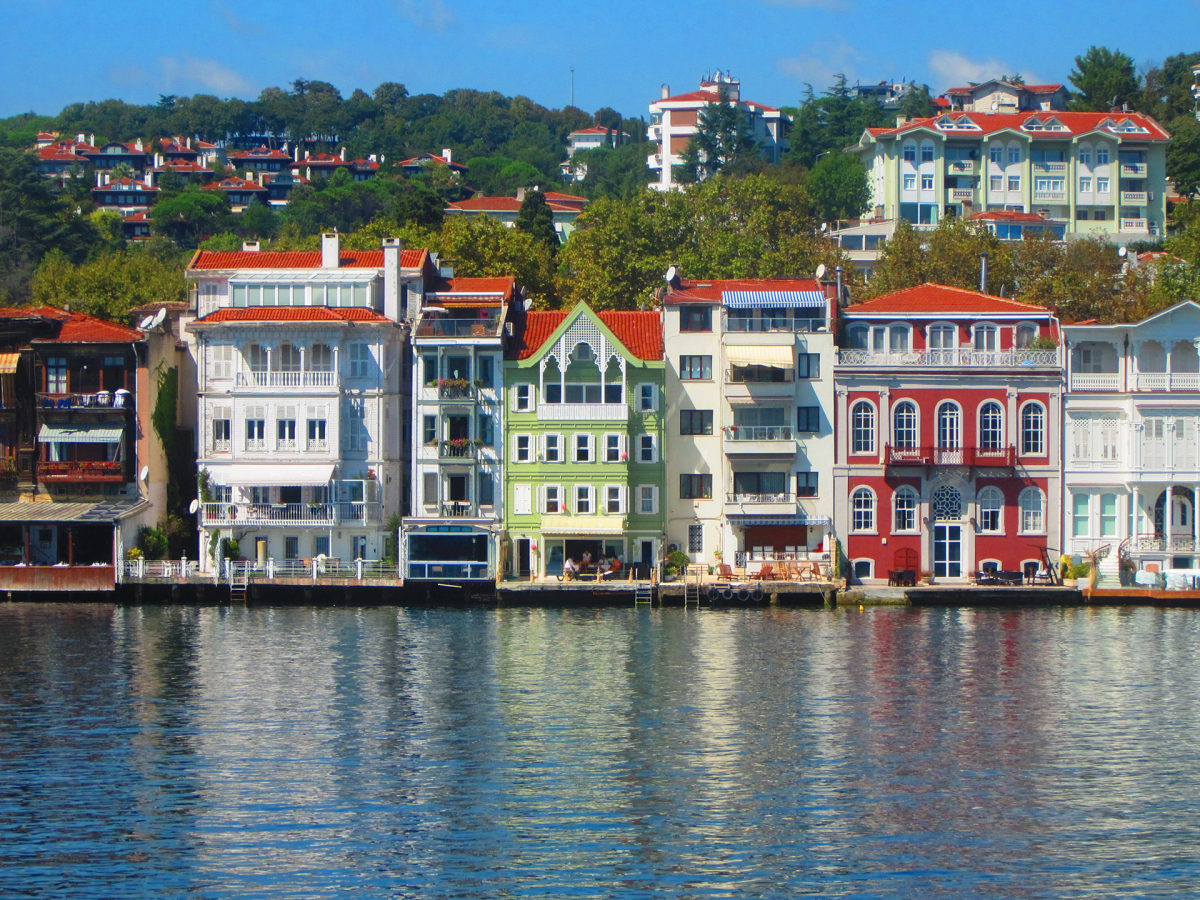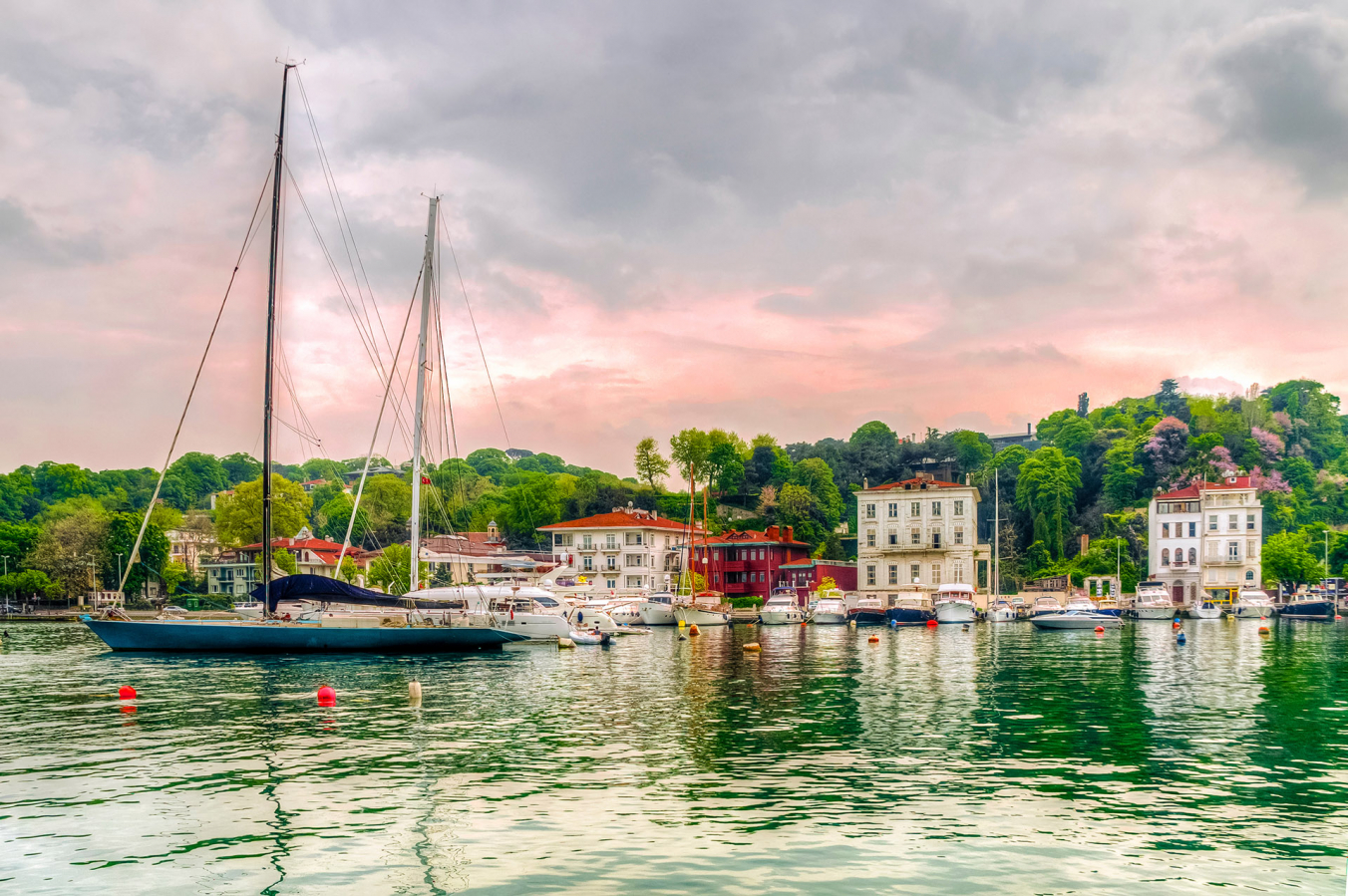

The Bosphorus of Istanbul is not merely a strait dividing two continents; it is a vast historical narrative that carries the urban memory of Roman, Byzantine, and Ottoman civilizations along its shores. Within this narrative, the most striking passages are undoubtedly the waterfront mansions and coastal palaces. Among them, the Esma Sultan Bosphorus waterfront mansion, located along the Beşiktaş–Ortaköy line, stands out as one of the most extraordinary landmarks of the Bosphorus, distinguished by its multilayered identity, historical misconceptions, and avant-garde restoration.
As one of the most iconic Bosphorus waterfront mansions, Esma Sultan embodies a unique urban legacy—ranging from the architectural language of the Balyan school to devastating fires, from whispered legends to its world-renowned “glass box” restoration.
So, where exactly is the Esma Sultan Bosphorus waterfront mansion located, who is its rightful owner, and what function does it serve today? Here are all the details…


From Sarraf Maksud to the Balyan School: The Architectural Origins of the Esma Sultan Bosphorus Waterfront Mansion
Contrary to widespread popular belief, the property was not commissioned by the Ottoman Imperial Treasury (Hazine-i Hassa). According to the records of the Ottoman Archives of the Prime Ministry, the Bosphorus waterfront mansion was commissioned in 1849 by Sarraf Maksud, a prominent Ottoman banker of Armenian origin, as his private residence. For many years, it was also referred to as the “Mansion of Sarraf Simon Bey.”
The architectural design bears the signature of Sarkis Balyan, one of the most influential figures shaping 19th-century Ottoman architecture. The Balyan school marked a decisive departure from the traditional timber-based Bosphorus vernacular, introducing instead a more monumental and monolithic architectural language to the waterfront—blending Neo-Classical symmetry with Baroque dynamism.

Original Geometric Specifications and Floor Plan of the Bosphorus Waterfront Mansion
The Esma Sultan Bosphorus waterfront mansion presents, from the exterior, the monumental grandeur of a solid masonry palace, while internally it is constructed as a hybrid structure, utilizing the traditional bağdadi timber technique.
| Architectural Feature | Original Specifications and Definitions |
|---|---|
| Total Plot Area | 2,226 sqm (4,030 sqm including landscaping) |
| Building Footprint | 884 sqm |
| Ground Floor | 31.5 m x 27 m / Ceiling height: 3.80 m |
| First Floor | 31.5 m x 31 m / Ceiling height: 6.80 m |
| Room Count | 18–21 rooms and 2 monumental halls (sofa) |
| Structural System | Exterior: load-bearing masonry (68–80 cm), Interior: bağdadi timber system |
The grand main hall facing the waterfront constituted the visual focal point of the residence, defined by its imposing bay projection with three tall windows and crowned by a classical triangular pediment—an architectural gesture that reinforced both symmetry and prestige along the Bosphorus shoreline.

A Historical Misconception: Who Is the Real “Esma Sultan” Behind the Name of the Bosphorus Waterfront Mansion?
A simple search for the “Esma Sultan story” often leads to a web of historical inaccuracies. In the Ottoman dynasty, three different imperial women bore the name Esma Sultan, and over time, their narratives have been conflated in popular discourse.
| Historical Figure | Identity | Relationship to the Bosphorus Waterfront Mansion |
|---|---|---|
| Büyük Esma Sultan (1726–1788) | Daughter of Sultan Ahmed III | No physical or chronological connection to the property |
| Esma Sultan (1778–1848) – the “fashion icon” | Daughter of Sultan Abdülhamid I | Source of many legends; however, the mansion was constructed after her death |
| Küçük Esma Sultan (1873–1899) | Daughter of Sultan Abdülaziz | The figure after whom the mansion is named; allocated to her children in 1900 |
The Bosphorus waterfront mansion takes its name from Küçük Esma Sultan, who led a life marked by adversity following the suspicious death of her father, Sultan Abdülaziz. She passed away at the age of 26 due to illness. Subsequently, her uncle, Sultan Abdülhamid II, acquired the property and granted it to her orphaned children. Notably, Esma Sultan herself never resided in this Bosphorus waterfront mansion.